Turning on your faucet to fill a glass, brush your teeth, or take a shower, only to be greeted by a stream of dirty, rusty liquid is an unsettling experience. If you are currently staring at brown water from the tap, you are likely wondering what went wrong, whether your family is safe, and how much this is going to cost to fix. Do not panic. While it looks alarming, discolored water is a common household plumbing issue with several distinct, diagnosable causes.
In this comprehensive guide, we will explore exactly why you are seeing rusty water out of the faucet, whether it poses a health risk to you and your family, and the step-by-step solutions to restore your home’s clean, clear water supply.
Is Brown Water From Tap Safe to Drink?
The first question every homeowner asks when their water changes color is: “Is this safe?” The short answer is usually yes, but it is highly recommended that you avoid drinking it until you know the exact source of the problem. The brown, red, or yellow tint you are seeing is almost always caused by oxidized iron (rust) and other harmless minerals like manganese.
Health Risks of Rusty Water
According to the Environmental Protection Agency (EPA), iron and manganese in drinking water are considered secondary contaminants. This means they pose cosmetic or aesthetic issues-like bad taste, foul odor, and poor color-rather than severe health hazards. Drinking a small amount of brown water from a tap is unlikely to make a healthy adult sick.
However, there are exceptions. If your water system is compromised due to a broken municipal water main, harmful bacteria and pathogens could enter the water supply. Furthermore, individuals with specific health conditions, such as hemochromatosis (an iron overload disorder), should strictly avoid consuming water with high iron content. Because you cannot immediately verify if the discoloration is simply rust or a sign of external contamination, the safest practice is to rely on bottled water for drinking and cooking until the issue is resolved.
Washing Clothes and Bathing in Discolored Water
While showering in rusty water generally will not harm your skin, it is not an ideal experience. The high mineral content can leave your skin feeling dry and your hair feeling brittle or metallic.
When it comes to your laundry, you should absolutely avoid washing clothes when your water is brown. The iron and rust particles act like a dye, leaving stubborn, permanent reddish-brown stains on your whites and light-colored fabrics. If you accidentally run a load of laundry during a rust outbreak, keep the clothes wet and rewash them with a commercial rust-removing laundry additive once the water runs clear. Never put rust-stained clothes in the dryer, as the heat will set the stains permanently.
Common Causes of Brown Water From Tap
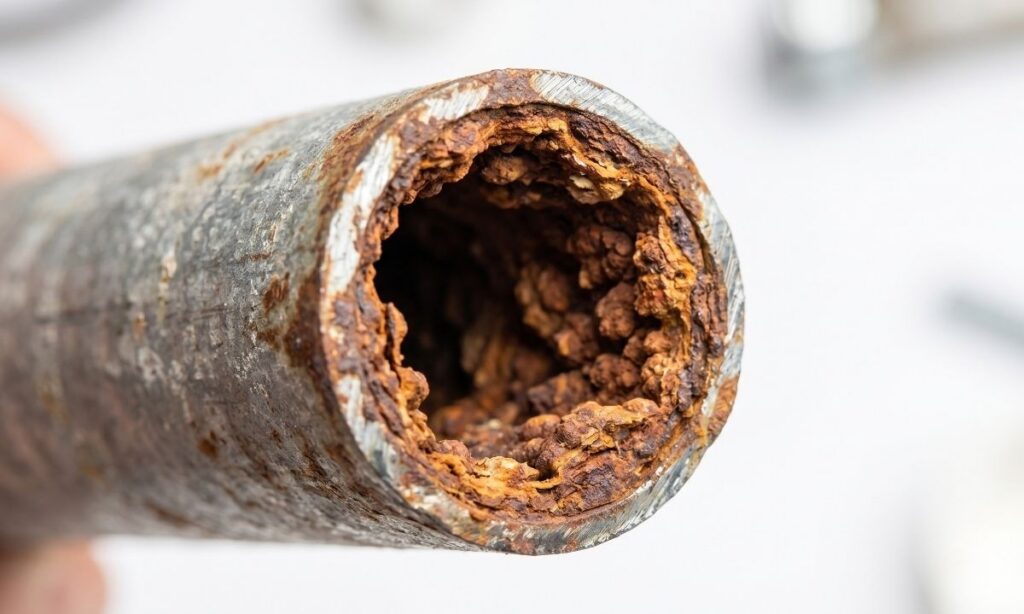
To understand how to fix brown water, you first need to identify the root cause. Discolored water is essentially a symptom of disturbed sediment or active corrosion somewhere in your plumbing ecosystem. Here are the most common dirty tap water causes:
1. Disturbance in the Municipal Water Supply
Often, the problem does not originate in your home at all. If you are connected to a city water supply, the municipal pipes underground are lined with decades of settled iron, manganese, and rust. Under normal conditions, these sediments sit peacefully at the bottom of the water mains.
However, sudden changes in water pressure or flow direction can stir up this sediment, sending it directly into your home’s plumbing. Common municipal disturbances include:
- Fire hydrant flushing: Cities routinely flush fire hydrants to clear out older water and test pressure, which violently stirs up rust.
- Water main breaks: A ruptured pipe down the street forces dirty groundwater and disturbed pipe sediment into the system.
- Local construction: Heavy vibrations or nearby digging can knock rust loose inside the city mains.
- High local demand: A sudden surge in community water usage, such as a localized fire emergency, can temporarily increase water velocity and pick up sediment.
2. Aging, Rusted Galvanized Pipes
If the issue is isolated to your home, aging infrastructure is the prime suspect. Many homes built before the 1980s were constructed using galvanized steel plumbing pipes. Over decades of constant exposure to water and oxygen, the protective zinc coating on these pipes wears away, leaving the raw steel vulnerable to internal rusting.
As the inside of the pipes corrodes, flakes of rust break off and mix with the water flowing to your faucets. This type of discolored water plumbing issue typically worsens in the morning. When water sits stagnant in rusty pipes overnight, it has more time to absorb the iron, leading to a blast of dark brown water when you first turn on the tap. Over time, these corroding pipes will leak, reduce your water pressure, and eventually require complete replacement.
3. A Failing Water Heater
If you only see brown water when you turn on the hot water tap, the culprit is almost certainly your water heater. Traditional tank-style water heaters contain a sacrificial anode rod. This magnesium or aluminum rod is designed to attract corrosive elements in the water, rusting itself so the steel tank does not.
Once the anode rod is fully depleted (usually after 3 to 5 years), the water begins attacking the interior of the steel tank. The resulting rust settles at the bottom of the tank. When you call for hot water, this rusty sludge is pushed up through your home’s hot water lines, resulting in brown water from the tap. Ignoring this issue will eventually lead to the bottom of the tank rusting out completely, causing a massive flood in your home.
4. Recent Plumbing Repairs or Upgrades
Have you recently had your water shut off for plumbing repairs? When the water is turned back on, the sudden rush of pressure often dislodges loose rust and mineral scale from the inner walls of your pipes. This temporary phenomenon should clear up after a few minutes of running your faucets.
How to Diagnose Why Your Tap Water Is Brown
Not all rusty water issues are created equal. By conducting a simple at-home diagnostic test, you can pinpoint the source of the problem and decide whether you need to contact the city or call a professional plumber.
Use the following troubleshooting table to narrow down why you are experiencing brown water from tap:
| Diagnostic Check | Observation | Likely Cause | Recommended Action |
| Hot vs. Cold | Only the hot water is brown. | Rusted water heater tank or depleted anode rod. | Schedule water heater repair or replacement. |
| Hot vs. Cold | Both hot and cold water are brown. | Municipal water disturbance or whole-house pipe corrosion. | Check with neighbors; flush cold water lines. |
| Location | Only one specific faucet has brown water. | Corroded pipe leading to that fixture, or a rusted faucet aerator. | Clean aerator; inspect local supply line. |
| Location | Every faucet in the house has brown water. | City water main issue, or severe whole-house galvanized pipe corrosion. | Call the utility company to check for local main breaks. |
| Timing | Water is brown in the morning but clears up quickly. | Rust inside your home’s aging galvanized pipes. | Consider consulting a plumber about repiping services. |
| Timing | The water suddenly turned brown and will not clear up. | Active city water main break or fire hydrant flushing. | Wait a few hours and avoid using hot water. |
Step-by-Step: How to Fix Brown Water From Tap
Once you have diagnosed the likely source of the problem using the table above, you can take action. Here are the exact steps to clear the rust from your lines and restore your home’s clean water supply.
Step 1: Run the Cold Water
If the problem stems from a municipal disturbance or recent plumbing work, the solution is usually just a matter of flushing your system.
- Locate a cold water faucet on the lowest floor of your home (a bathtub faucet is ideal because it allows for high volume flow without a restrictive aerator).
- Turn the cold water on full blast. Do not use hot water, as you do not want to draw dirty water into your water heater tank.
- Let the water run continuously for 15 to 20 minutes.
- Check the water clarity in a clear glass.
If the water runs clear, the municipal sediment has passed. If it is still brown, turn the tap off, wait a couple of hours for the city to finish their repairs or flushing, and try again.
Step 2: Flush Your Water Heater
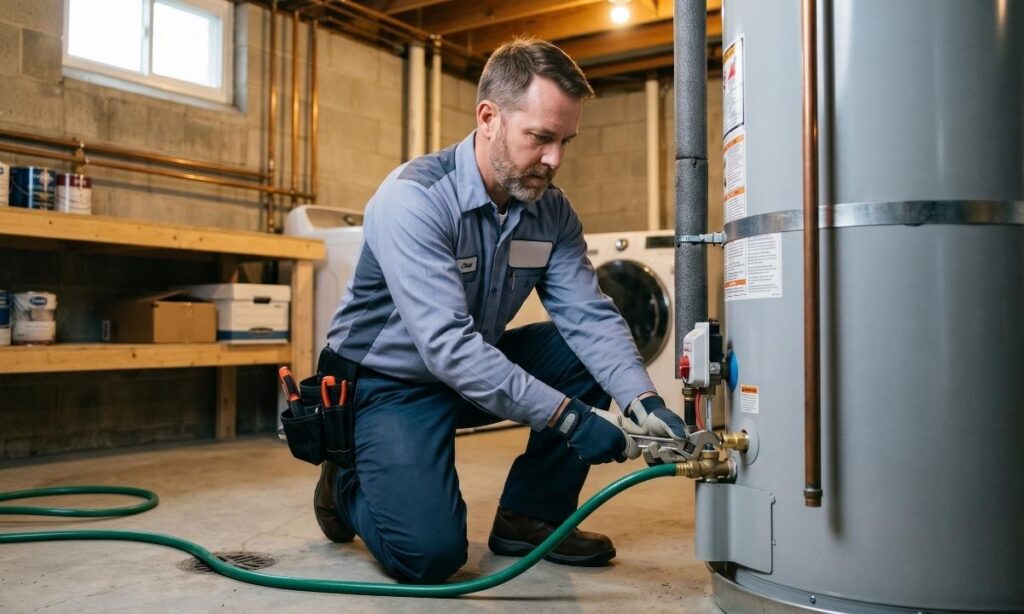
If your diagnostic test revealed that only your hot water is discolored, you need to address sediment buildup in your water heater tank. Routine maintenance is crucial for extending the life of your appliance.
- Turn off the power or gas supply to the water heater.
- Turn off the cold water intake valve on top of the tank.
- Attach a standard garden hose to the drain valve at the bottom of the tank and route the other end to a floor drain or outside.
- Open the drain valve and the pressure relief valve to let the tank drain completely. You will likely see thick, muddy brown water exit the hose.
- Once empty, turn the cold water valve back on briefly to flush out the remaining sludge at the bottom.
- Close the valves, refill the tank, and turn the power back on.
If the water is still brown after a thorough flush, the interior of the tank is heavily rusted. At this stage, professional replacement is your safest option.
Step 3: Install a Whole-House Water Filtration System
If you live in an area with naturally high iron content in the groundwater, or if your municipal water supply is consistently unreliable, proactive defense is necessary. Installing a whole-house water filter ensures that every drop of water entering your home is stripped of rust, sediment, and heavy minerals before it reaches your taps, appliances, or skin. This is an excellent long-term investment for improving your overall water quality, protecting your plumbing fixtures from scale buildup, and ensuring your drinking water is pristine.
Step 4: Replace Corroded Pipes
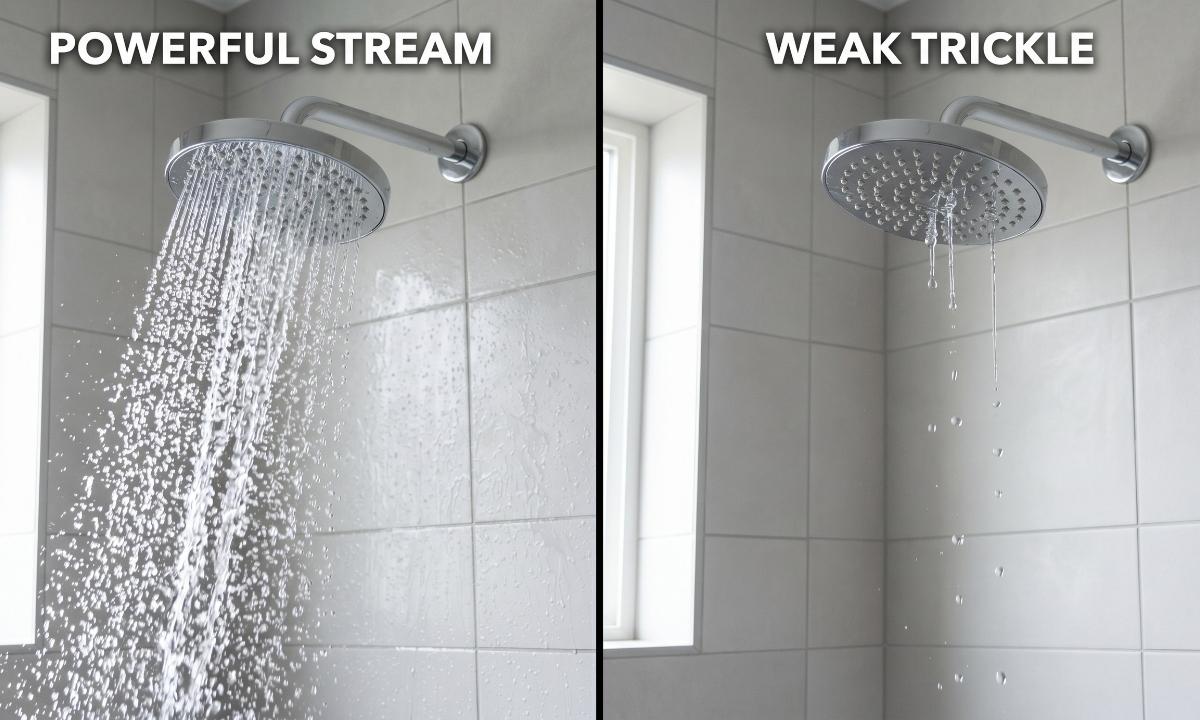
If your home is suffering from failing galvanized steel pipes, flushing the lines is only a temporary bandage. The pipes will continue to rust from the inside out. Eventually, the rust will restrict water flow to a trickle, and the weakened pipe walls will burst behind your drywall, leading to catastrophic water damage. The only permanent fix for this scenario is professional repiping, which involves replacing the old, rusty steel pipes with modern, corrosion-resistant materials like copper or PEX (cross-linked polyethylene).
When to Call LSP Plumbing for Rusty Water
While running the cold tap is an easy DIY fix for minor municipal disturbances, persistent brown water from the tap requires a professional eye. You should reach out to an expert plumber if:
- You have flushed the cold water lines for over 30 minutes and the water remains dark brown.
- Only your hot water is discolored, and you are uncomfortable draining the water heater yourself.
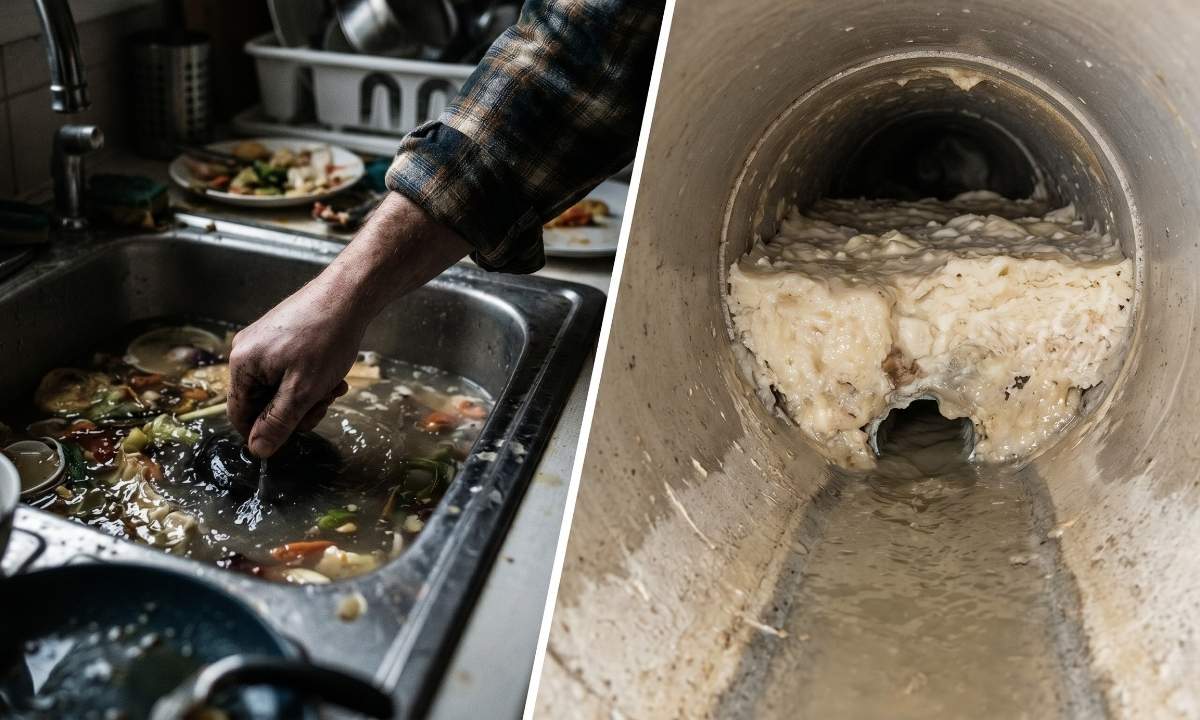
- You notice a drop in water pressure alongside the discoloration, indicating a severe pipe blockage or hidden leak.
- Your home has older galvanized pipes that are showing visible signs of external rust or minor leakage.
Plumbing systems are complex and pressurized; attempting major repairs without the right tools and expertise can lead to severe water damage and costly secondary repairs.
Frequently Asked Questions (FAQ)
If the cause is a municipal disturbance like a flushed fire hydrant, the water usually clears up within a few hours. By running your lowest-level cold water tap for 15 to 20 minutes, you can speed up the process of pulling the clean water from the main line into your home. If the water remains brown for more than 24 hours, contact your local water utility company.
Yes. The iron oxide (rust) that causes the brown coloration acts as a powerful pigment. It will quickly stain porcelain sinks, bathtubs, and toilets if left to sit. More importantly, washing clothes in rusty water will ruin them, embedding permanent reddish-brown stains into the fibers of the fabric. Never do laundry when your tap water is discolored.
Technically, yes, it is not considered an immediate health hazard to your skin. However, bathing in rusty water is unpleasant. The high mineral content can dry out your skin, cause itching, and leave your hair feeling stiff and unmanageable. Light-colored hair, such as blonde or silver, may even take on a slight brassy or orange tint from the iron. It is best to wait until the water runs clear.
Not necessarily, but it is a strong warning sign. If only your hot water is brown, it means there is rust sediment inside your tank. If caught early, replacing the sacrificial anode rod and flushing the tank can save the unit. However, if the tank itself is heavily corroded and flaking rust, you will need to replace the entire water heater before it ruptures and floods your home.
When water is brown first thing in the morning but clears up after a few minutes of use, the problem lies within your home’s interior pipes. Water sitting stagnant overnight in aging galvanized steel pipes absorbs iron from the corroding pipe walls. Once you flush that sitting water out by running the tap, fresh water from the city main takes its place, running clear until it sits stagnant again.
Conclusion
Seeing brown water from the tap is always a nuisance, but understanding the underlying causes takes the panic out of the situation. Whether it is a temporary municipal disruption down the street, an aging water heater crying out for maintenance, or failing galvanized pipes, there is always a clear, actionable solution. Start by testing your hot and cold lines to isolate the issue, run your cold water tap to flush the system, and never hesitate to call in the professionals if the problem persists.
Clean, safe, and crystal-clear water is not a luxury-it is a necessity for your health, your home, and your peace of mind. If you are tired of dealing with unpredictable water quality, low water pressure, or aging plumbing infrastructure, do not wait for a minor rust issue to turn into a major plumbing disaster.
Our team is ready to diagnose the root cause of your water issues and provide long-lasting, cost-effective solutions. Whether you need a simple inspection, a comprehensive flush, or emergency assistance, you can trust our experienced technicians to get the job done right the first time. If you need emergency plumbing services or want to schedule an evaluation, contact our plumbing experts today at LSP Plumbing!