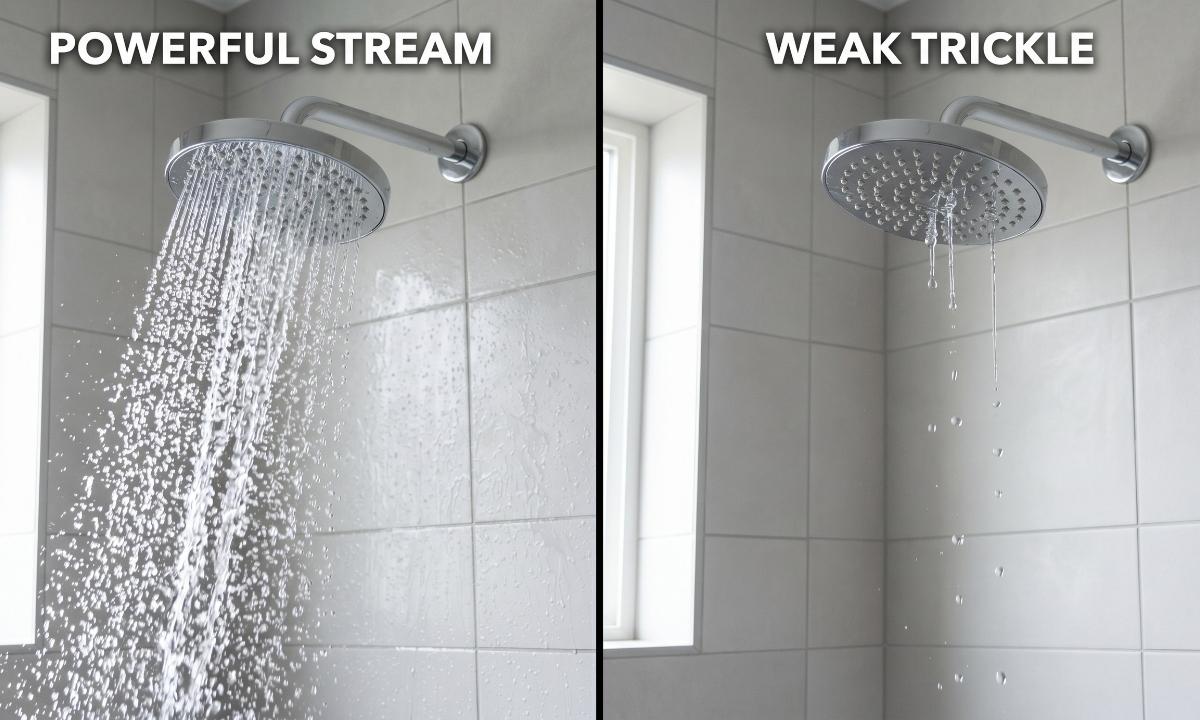
Nothing ruins a relaxing morning like a sudden blast of freezing water. If you find yourself asking, “Why does my hot water run out so fast?” you are not alone. This is one of the most common complaints homeowners face, and it usually points to an underlying issue with your water heating system. Whether you have a growing family demanding more plumbing capacity or an aging appliance on its last legs, understanding the root cause is the first step to restoring comfort to your home.
In this comprehensive guide, we will explore the primary reasons your hot water supply is depleted prematurely. We will cover everything from minor maintenance oversights to component failures requiring professional intervention. By diagnosing the issue early, you can avoid costly emergency repairs and ensure your household enjoys reliable, uninterrupted thermal comfort. Let us dive into the mechanics of your water heater and discover how to banish unexpected cold showers for good.
Understanding Your Water Heater Capacity
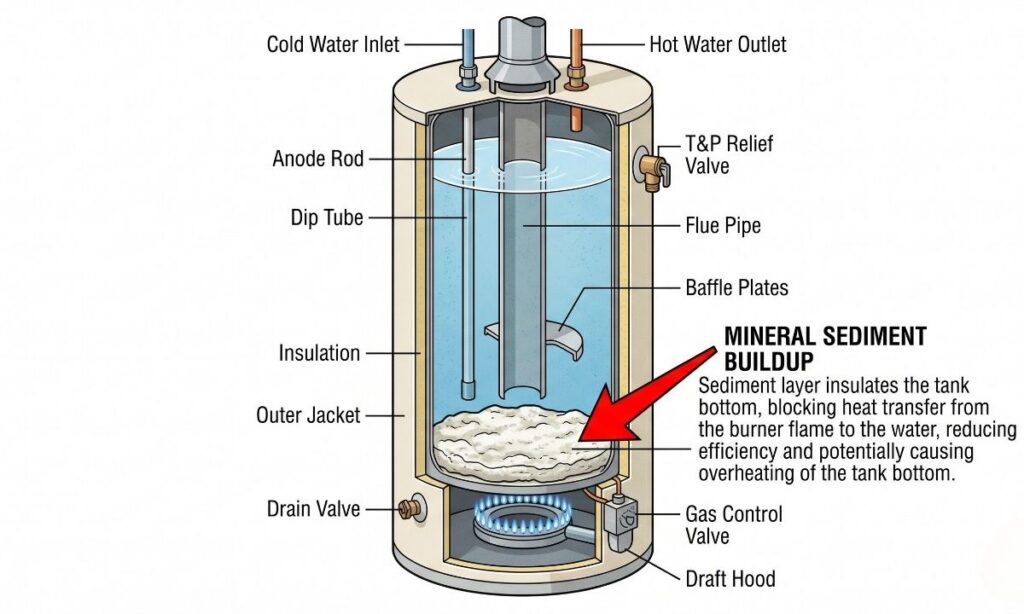
To understand why your hot water runs out so fast, you must first look at the physical limitations of your system. Conventional tank water heaters store a specific volume of water, usually between 40 and 80 gallons. This water is heated continuously so it is ready when you open a tap. However, that volume is finite, and once it is depleted, the system requires time to recover.
The recovery rate refers to the amount of water the appliance can reheat to a set temperature within one hour. If your household consumption exceeds this recovery rate, you will experience a rapid drop in water temperature. This imbalance frequently occurs during peak morning hours when multiple appliances and showers run simultaneously.
1. Sediment Buildup in the Water Tank
Over time, dissolved minerals in your water supply, such as calcium and magnesium, settle at the bottom of your tank. This process is accelerated in geographic areas characterized by hard water. As this debris accumulates, it creates a thick layer of physical scale that causes two distinct problems.
First, the sediment takes up physical space inside the tank, effectively reducing the total volume of hot water available. Second, it acts as a thermal barrier between the burner or heating element and the water. The heating system must work significantly harder to penetrate the scale, leading to inefficiency and premature component breakdown.
Signs of Sediment Accumulation
- Popping or rumbling noises coming from the tank during a heating cycle.
- A gradual decline in the total duration of hot water availability.
- Cloudy or rusty-looking water emerging from your hot taps.
- Frequent cycling on and off of the water heater unit.
2. A Broken or Damaged Dip Tube
The dip tube is a critical but often overlooked component of a standard water heater tank. Its primary job is to direct incoming cold water down to the very bottom of the tank. This structural design ensures that cold water is pushed directly toward the heating element or burner to be warmed up immediately.
When a dip tube cracks, breaks, or corrodes, cold water enters at the top of the tank instead of the bottom. This displaced cold water mixes instantly with the hot water waiting at the top of the tank to be distributed to your home. The result is a lukewarm mixture that rapidly loses its heat, explaining why your hot water runs out so fast.
+——————————————————+
| CRACKED DIP TUBE EFFECT |
+——————————————————+
| Cold Water Enters Near Top |
| ————-> [ Crack ] |
| | |
| v |
| Mixes with Outgoing Hot Water |
| ———> Dilutes Temperature |
| |
| Result: Sudden Lukewarm/Cold Water |
+——————————————————+
3. Failed Heating Elements (Electric Water Heaters)
Electric water heaters rely on two separate heating elements to maintain water temperature: an upper element and a lower element. These components work in a specific sequence to optimize energy usage and ensure a steady supply of thermal energy.
The upper element handles the initial heating when cold water refills the top of the tank, while the lower element maintains the overall baseline temperature. If either of these elements burns out due to electrical surges, age, or sediment encapsulation, your system’s heating capacity drops by half.
| Failed Element | Impact on System Behavior | Resulting User Experience |
| Upper Element | The water at the top of the tank never reaches the target temperature. | The water is lukewarm from the start and never gets truly hot. |
| Lower Element | Only the top portion of the tank is heated; the bottom remains cold. | You get hot water initially, but it runs out completely in a few minutes. |
4. An Aging Water Heater Unit
Like all household appliances, water heaters have a finite operational lifespan. Traditional tank-style systems are engineered to perform efficiently for approximately 8 to 12 years. As a unit nears the end of this window, its internal mechanics degrade, and its overall heating efficiency plummets.
If your system is over a decade old and you regularly ask, “Why does my hot water run out so fast?” the unit may simply be wearing out. Corrosion, internal rust, and chronic mechanical fatigue make it impossible for an old system to keep pace with modern household demands. Upgrading to a modern unit can resolve these issues permanently while lowering your monthly energy consumption.
5. Thermostat Issues or Incorrect Settings
Sometimes, the issue is not a structural failure but a control malfunction. Your water heater features one or two thermostats that regulate internal temperatures. If a thermostat is calibrated incorrectly, or if its internal sensors fail, it will misread the actual temperature of the water.
This can cause the burners or elements to shut off well before the entire tank has reached the desired temperature. Additionally, if your thermostat is set below the standard recommendation of 120°F (49°C), the available thermal energy will naturally be depleted much faster during a standard shower or appliance cycle.
6. Increased Household Demand and Undersized Tanks
Your plumbing system must change alongside your lifestyle. A water heater tank that perfectly served a couple may prove completely inadequate when children grow up or guests move in. Increased overall demand is a highly frequent, non-mechanical reason for rapid hot water depletion.
If multiple modern appliances-such as a high-capacity washing machine and a dishwasher-run while someone is showering, the tank will drain instantly. When your hot water supply cannot keep pace with concurrent usage, your household has outgrown its current system capacity.
How to Fix a Water Heater That Runs Out of Hot Water Fast
Resolving a hot water deficit requires a systematic approach to maintenance and diagnostics. Many issues can be addressed with simple preventative care, while others demand specialized plumbing expertise. Below are the core steps to restore your system’s performance.
Flush the Water Tank Annually
Flushing your water heater tank removes accumulated sediment, restoring lost volume and improving heat transfer. Turn off the power and water supply, attach a garden hose to the drain valve, and empty the tank completely into a safe drainage area. Rinse the interior with clean water until it runs perfectly clear.
Inspect and Replace the Dip Tube
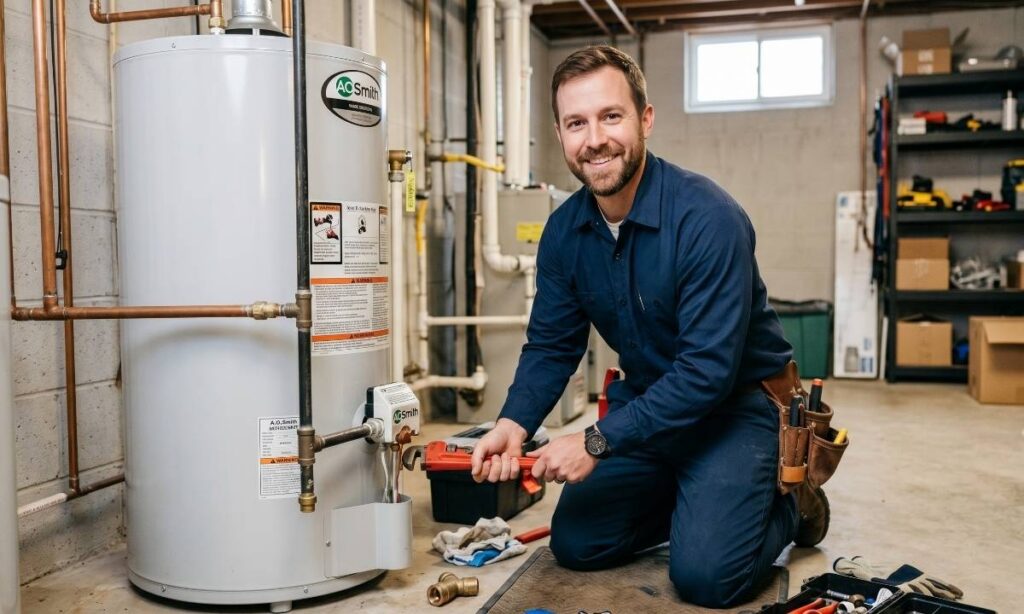
If you suspect a broken dip tube, a professional plumber can remove the cold water inlet nipple to inspect the tube. If it shows signs of disintegration or cracking, replacing it is a fast and cost-effective repair that immediately restores proper water routing within the tank.
Test and Replace Electrical Elements
A technician can use a digital multimeter to check the electrical continuity of your upper and lower heating elements. If an element shows an open circuit, it is defective and must be unscrewed and replaced with a new component matching the exact wattage specifications of your unit.
Adjust the Thermostat Calibration
Check the temperature settings on your water heater panels. If they are set too low, adjust them up to 120°F or 130°F. Avoid setting the thermostat above 140°F, as this introduces a severe scalding hazard and accelerates mineral scale formation inside your tank.
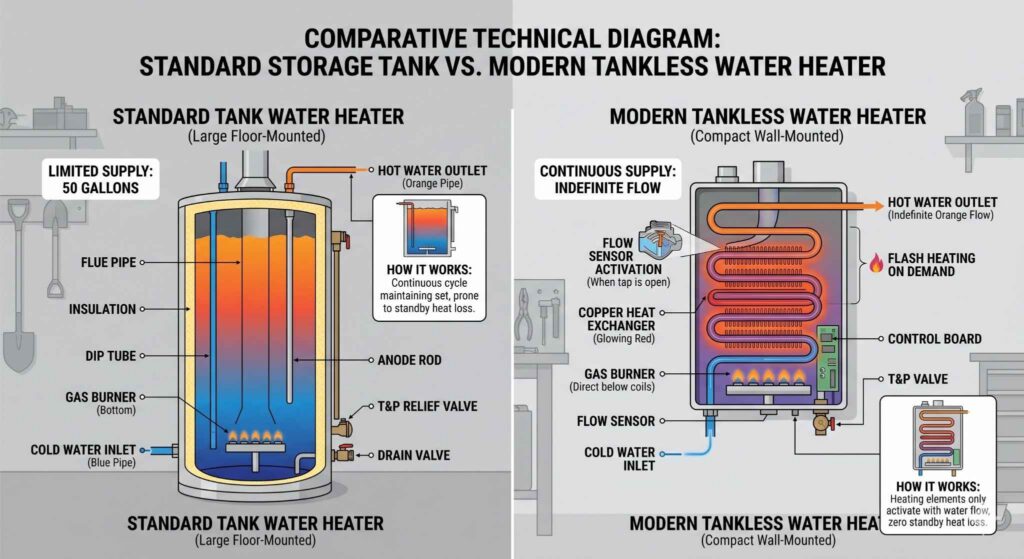
Consider Upgrading to a Tankless Water Heater
If your tank is old or simply too small for your household, upgrading to an on-demand tankless water heater is an excellent option. Tankless systems heat water instantly via powerful gas burners or electric coils as it flows through the unit. This technology eliminates the storage tank entirely, providing an endless supply of hot water.
+—————————————————————————————-+
| TANK VS. TANKLESS COMPARISON |
+—————————————————————————————-+
| Tank System: |
| [ Cold Water In ] —-> [ 40-80 Gal Tank ] —-> [ Runs Out ] |
| |
| Tankless System: |
| [ Cold Water In ] —-> [ High-Power Heat Coils ] —-> Continuous |
+—————————————————————————————+
Frequently Asked Questions
In winter, the groundwater entering your home is significantly colder than it is during the summer months. This means your water heater must work much harder and use more energy to raise the incoming water to your target thermostat setting. Because the initial temperature drop is so steep, the system takes longer to recover, and your existing hot water supply cools down faster as it travels through cold pipes.
If your water heater is more than 10 years old, requires frequent repairs, or has a leaking tank, it needs replacement. Internal tank leaks cannot be repaired and signify that the metal has corroded through. Furthermore, if you see persistent rusty water or experience a continuous decline in hot water capacity despite regular flushing, investing in a new system is the most cost-effective choice.
Yes, a faulty shower mixing valve can mimic a failing water heater. The mixing valve balances the blend of hot and cold water sent to your shower head. If the internal seals or cartridges wear out, cold water can bleed into the hot water line even when you turn the handle completely to the hot side. This results in a lukewarm shower experience, even if your water heater tank is full of perfectly hot water.
A small amount of fine, sand-like sediment is common, particularly in municipalities with hard water. However, if you have not flushed your system in several years, several inches of thick, solidified scale can accumulate at the bottom of the tank. This heavy buildup blankets the elements, chokes off heat transfer, and drastically reduces the operational volume of your system.
Yes, setting your water heater thermostat to 150°F (65°C) is highly dangerous. At this extreme temperature, third-degree burns and severe scalding can occur in less than two seconds of skin contact. It is especially hazardous for children and elderly individuals. Additionally, excessively high temperatures accelerate the degradation of internal tank linings and dramatically increase your monthly energy bills.
Conclusion: Say Goodbye to Cold Showers
Experiencing a sudden loss of hot water is an inconvenient disruption, but it is a problem with clear solutions. From flushing out insulating sediment to replacing a deteriorated dip tube or burned-out heating element, most root causes can be diagnosed and repaired promptly. Pay attention to the age of your system and changing household habits to determine whether a repair or a full capacity upgrade is the most sensible path forward.
Do not suffer through another freezing shower or struggle to coordinate chore schedules around your water heater. Taking proactive maintenance steps today protects your plumbing infrastructure, improves home energy efficiency, and ensures your family has access to reliable warmth whenever they need it.Are you ready to restore comfort and efficiency to your home plumbing? Contact LSP Plumbing today to schedule an expert diagnostic inspection and water heater tune-up. Our certified team will help you find the perfect solution for your household needs.