Whether you’re redesigning a kitchen, finishing a basement, or dealing with a slab leak, rerouting plumbing is one of those projects that can catch homeowners off guard both in complexity and cost. The price to reroute plumbing varies widely depending on what’s being moved, how far it’s going, and what’s standing in the way.
This guide breaks down everything you need to budget for in 2026, including costs by project type, hidden expenses most articles skip, and honest advice on when to call a pro versus when a simpler repair will do.
What Does It Mean to Reroute Plumbing?
Rerouting plumbing means changing the path of existing pipes supply lines, drain lines, or vent pipes so they run to a new location or bypass a problem area. This is different from simply repairing a pipe in place. When you reroute, you’re redirecting the flow of water or air through an entirely new path, which often involves cutting into walls, floors, or ceilings to access and reposition the piping.
Homeowners often confuse rerouting with repiping, but the two are distinct scopes of work. Understanding the difference helps you ask the right questions and get more accurate quotes from contractors.
Rerouting is not always a dramatic undertaking. Sometimes it’s as straightforward as extending a supply line a few feet to accommodate a new appliance. Other times, it involves threading new pipe through multiple walls and floors, repairing structural surfaces afterward, and pulling permits from your local municipality. The scope determines the cost which is why getting a clear picture of your specific project is essential before budgeting.
Rerouting vs. Repiping – What’s the Difference?
Rerouting changes where pipes go. Repiping replaces all or most of the pipes in a home with new material. If your plumber recommends rerouting, they’re moving a section of your plumbing to a new location. If they recommend repiping, they’re replacing aging or failing pipe throughout the entire system typically because the existing material (like galvanized steel or polybutylene) has deteriorated beyond repair.
A reroute might involve one or two lines and take a day or two. A whole-house repipe is a multi-day project affecting every water-bearing pipe in the structure. Costs reflect this difference dramatically: a single reroute might run $650 to $1,500, while a full repipe can reach $35,000 or more depending on home size and pipe material.
Common Reasons Homeowners Reroute Plumbing
The most common trigger for a plumbing reroute is a home remodel particularly kitchens and bathrooms, where fixture placement is being changed. Moving a sink to a kitchen island, adding a bathroom in a basement, or relocating a washer hookup all require rerouting.
Beyond remodeling, rerouting is also done to bypass damaged or inaccessible pipe sections, particularly in slab foundations where a leak beneath concrete makes direct repair impractical. Aging galvanized pipes that corrode from the inside, pipes running through areas being converted for other uses, and code compliance upgrades during a renovation are all common reasons plumbers reroute rather than repair in place.
When Rerouting Is Necessary vs. When Repairs Will Do
Not every plumbing problem requires a reroute. A leaking joint, a cracked fitting, or a minor pipe break can often be repaired in place at a fraction of the cost. Rerouting becomes necessary when the pipe’s location, not just its condition, is the problem.
If you’re moving a fixture, building an addition, or dealing with a slab leak where excavating the concrete is cost-prohibitive, rerouting is the right solution. A licensed plumber can help you evaluate whether rerouting or a targeted repair better fits your situation and budget. Always get this assessment before committing to either approach.
Plumbing Rerouting Cost Overview
Understanding how much it costs to reroute plumbing starts with knowing the national benchmarks. Costs vary significantly based on what’s being moved, how far it’s going, and what’s in the way but having a baseline helps you evaluate quotes and avoid being overcharged.
The table below summarizes typical costs across the most common rerouting scenarios. These figures reflect 2026 national averages and should be used as a starting point, not a fixed quote. Your actual cost will depend on local labor rates, pipe material, and project complexity.
| Project Type | Low End | Average | High End |
| Moving a fixture 3+ feet | $500 | $750 | $1,000 |
| Rerouting a single supply/drain line | $650 | $1,075 | $1,500 |
| Rerouting a plumbing vent | $500 | $1,500 | $5,000 |
| Whole-house repipe | $6,500 | $15,000 | $35,000 |
| Drywall/hole repair (add-on) | $300 | $600 | $900 |
| Roof pipe rerouting (add-on) | – | $1,070 | – |
| Permits | $50 | – | $500 |
| Licensed plumber labor | $45/hr | – | $200/hr |
Keep in mind that the figures above typically exclude add-on costs like drywall repair, flooring restoration, and permit fees — all of which are addressed in detail later in this guide.
National Average Cost and Typical Price Range
For a single-line reroute, most homeowners pay between $650 and $1,500, with the national average sitting around $1,075. Plumbing vent reroutes tend to run higher between $900 and $3,000 for most projects because they often involve roof penetrations and more complex routing paths.
At the high end, projects involving slab foundations, multiple fixture relocations, or whole-home repiping can push well past $10,000. At the low end, a simple supply line extension to a new appliance location might cost as little as $300 to $500 if access is easy and no structural repairs are needed.
Cost by Project Type (Vent, Drain, Supply Line)
The type of pipe being rerouted has a significant impact on cost. Supply line reroutes which carry pressurized water to fixtures — are generally straightforward but require watertight connections and the right material for the application. Drain line reroutes are more involved because they must maintain a precise downward slope (at least ¼ inch per foot) to function properly, which limits routing flexibility. Vent pipe reroutes are often the most expensive because they typically require running pipe through walls and either up through the roof or into a mechanical space, and any roof penetration adds labor, material, and repair costs.
Cost by Distance Moved (Under 3 Feet vs. Across a Room)
Distance is one of the clearest cost drivers in any route. Moving a fixture just a few feet, say, shifting a sink two feet along the same wall is relatively simple. The existing rough-in is nearby, access is limited, and the pipe run is short. Expect to pay on the lower end of the range for these adjustments.
Moving a fixture across a room or to a completely different wall is a different project entirely. New holes must be drilled through framing, longer pipe runs are needed, and there’s a higher chance of encountering obstacles like HVAC ducts, electrical wiring, or structural beams. These projects can easily double or triple the cost of a minor shift.
Slab vs. Wall vs. Ceiling Plumbing – How Location Affects Price
Where your pipes currently run has a major bearing on what it costs to reroute them. Pipes running inside walls or through a crawlspace are the most accessible and least expensive to work with. Ceiling-mounted pipes common in basement or utility reconfigurations are moderately accessible but may require ceiling repair afterward.
Slab plumbing is the most expensive scenario. When pipes are embedded in a concrete foundation, accessing them requires either jackhammering through the slab (which can cost $1,000 or more just for excavation) or abandoning the in-slab pipes entirely and rerouting new lines through walls or the ceiling above. In many cases, rerouting around the slab is the more cost-effective long-term solution, and some local building codes actually require a structural engineer’s sign-off before embedding new plumbing in concrete. If you live in a slab-foundation home and are planning any significant remodel, discuss slab rerouting options with your plumber before finalizing your layout.
What Factors Affect the Cost to Reroute Plumbing?
No two rerouting projects are identical, and the final cost depends on a combination of variables that interact in complex ways. Understanding these factors helps you have more informed conversations with contractors and identify where there might be room to reduce costs without compromising quality.
Labor typically accounts for the largest share of any rerouting project. But material choices, structural complexity, and regional pricing can each meaningfully shift the total. Here’s a closer look at the key variables.
Pipe Material (PEX, Copper, CPVC, PVC)
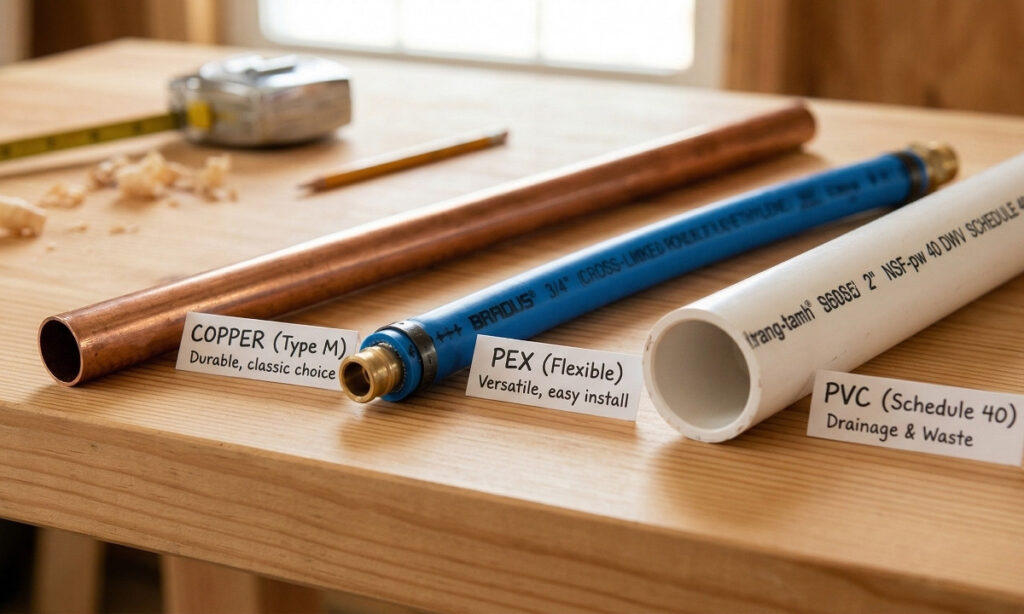
The pipe material used in your reroute affects both material costs and the labor required to install it. PEX (cross-linked polyethylene) is the most popular choice for modern residential plumbing. It’s flexible, cost-effective, and faster to install than rigid pipe making it a favorite for reroutes where pipes need to navigate around obstacles. PEX typically costs around $1 to $1.15 per linear foot in material alone.
Copper is the most durable option and the gold standard for longevity, but it’s also the most expensive. Copper pipe costs approximately $3 per linear foot, and because it’s rigid, it requires more fittings and labor to install. It must also be soldered at every joint, adding time to the job. CPVC is a chemically treated plastic pipe that handles high temperatures well and is a cost-effective middle ground between PEX and copper. Standard PVC is typically reserved for drain and vent lines rather than pressurized supply lines.
If you’re rerouting just a section of an existing copper system, your plumber may recommend continuing with copper for consistency, even at higher cost.
Number of Fixtures and Connections Involved
Every fixture added to a rerouting project increases both the material and labor required. A single sink relocation involves one drain connection, one or two supply connections, and a vent tie-in. A bathroom addition might involve a toilet, sink, shower, and their associated venting multiplying the connection count and the complexity significantly.
Changing the layout of a toilet is one of the more expensive single-fixture moves because it requires relocating the drain flange, which is set into the floor and often connects directly to the main drain stack. Each additional connection point adds time to the job and increases the chance of encountering complications.
Accessibility and Structural Barriers
A plumber who can access your pipes through an open basement ceiling or an unfinished utility room will charge significantly less than one who needs to cut through finished drywall, tile backsplashes, or hardwood flooring. Accessibility is one of the most underappreciated cost factors in plumbing work.
Structural barriers like load-bearing walls, concrete slabs, or HVAC ductwork running through the planned pipe path can add hours of labor and require additional trades (like a framing contractor or HVAC technician) to be involved. Always ask your plumber to walk the project with you and flag any access challenges before work begins surprises found mid-project are always more expensive than those identified upfront.
Regional Labor Rates and Cost of Living
Plumbing labor rates vary considerably across the country. In high cost-of-living metro areas like San Francisco, New York, or Seattle, licensed plumbers routinely charge $150 to $200 per hour. In smaller cities or rural areas in the South and Midwest, rates closer to $45 to $75 per hour are more common.
This regional variation means that a project priced at $800 in San Antonio might cost $1,800 or more for the same scope of work in Chicago. When researching national cost averages, always treat them as a benchmark rather than an expectation, and get at least three local quotes to calibrate pricing for your specific market.
Cost to Reroute Plumbing by Project Type
One of the most useful ways to estimate your plumbing reroute cost is by project type. Each scenario carries its own complexity, code requirements, and typical price range. The sections below cover the most common rerouting projects homeowners undertake.
Kitchen Sink and Island Sink Rerouting
Relocating a kitchen sink along the same wall is one of the simpler rerouting jobs, typically falling in the $500 to $1,000 range. The drain line slope must be maintained at a minimum of ¼ inch per foot, which limits how far the sink can move before the drain needs to drop through the floor or be reconfigured more significantly.
Moving a sink to a kitchen island is considerably more complex and expensive, often running $1,000 to $3,000 or more. Island sinks require special venting solutions because there’s no adjacent wall to run a standard vent pipe through. Options include an air admittance valve (AAV) installed inside the island cabinet or a loop vent that drops through the floor to connect to a vertical vent stack. Both solutions are functional, but each has trade-offs in performance and code acceptance some jurisdictions don’t permit AAVs, so confirm local codes with your plumber before designing around one.
Bathroom Plumbing Rerouting
Bathroom rerouting is an area that many cost guides underserve, despite being one of the most common reasons homeowners call a plumber. Whether you’re adding a bathroom in a basement, reconfiguring an existing layout, or moving a toilet in a renovation, bathroom plumbing reroutes present unique challenges.
Toilet relocations are among the more involved bathroom reroutes because the drain line is large (typically 3 to 4 inches in diameter), must connect to the main stack, and requires a precise floor flange installation. Expect to pay $800 to $2,000 or more for a toilet relocation depending on how far it’s moving and whether the floor needs to be opened.
Shower and bathtub drain reroutes similarly require opening the floor or ceiling below and re-sloping drain lines to maintain proper drainage. Adding a new bathroom from scratch particularly in a basement below the main drain line may require a sewage ejector pump system, which adds $800 to $1,500 to the project cost on top of standard rerouting fees.
Vanity and sink moves in bathrooms are generally the least expensive route in this category, typically ranging from $300 to $900 depending on distance and access. However, if the bathroom has tile floors or walls that need to be removed and replaced, those restoration costs can easily exceed the plumbing cost itself.
Dishwasher, Ice Maker, and Appliance Connections
Connecting a new dishwasher typically involves running flexible water and drain hoses through the cabinet beneath the sink. This is one of the simpler appliance connections and is often included in the cost of appliance installation. If a dedicated water line or drain fitting needs to be added, budget an additional $150 to $400 for the plumbing work.
Ice makers and refrigerator water dispensers require tapping into a nearby cold water supply line. A saddle valve or a proper tee fitting is used to divert water to the back of the appliance. When a refrigerator is being relocated or a new unit installed in a different position, the flexible supply line connecting it to the wall supply may need to be extended or replaced, a minor job typically costing $100 to $300.
Plumbing Vent Rerouting
Vent pipes are the unsung component of a properly functioning plumbing system. They maintain air pressure in the drain lines, preventing the water in your P-traps from being siphoned out — which would allow sewer gases into your home. When walls are moved, additions are built, or fixtures are relocated, the vent pipes serving those fixtures often need to be rerouted as well.
Vent reroutes range from $500 to $5,000 depending on complexity. A simple vent extension in a basement or accessible utility space is at the low end. A vent reroute that requires running new pipe through finished walls and up through the roof is at the high end, as it involves both interior wall work and a roof penetration, the latter requiring waterproofing, flashing, and often a building permit.
Some vent reroutes can be solved with an air admittance valve (AAV), which eliminates the need to run pipe through the roof. However, AAVs have limitations with high-volume drainage and are not universally code-approved, so consult your plumber and local building department before taking that approach.
Whole-House Repiping
Whole-house repiping is a separate category in terms of scope and cost. Rather than rerouting specific lines, repiping replaces all or most of the water supply pipes in the home typically because the existing pipes are made of aging material like galvanized steel, polybutylene, or failing copper with a history of pinhole leaks.
The cost of a whole-house repipe ranges from $6,500 to $35,000, with most average-sized homes falling in the $8,000 to $15,000 range. PEX is the most common material used in modern repipes due to its flexibility and lower cost. Copper repipes carry a significant price premium but offer the longest service life. The number of fixtures, the size of the home, and the accessibility of the existing pipes all drive the final number.
Hidden and Additional Costs to Budget For
When homeowners get a quote to reroute plumbing, the number they receive often covers only the plumbing work itself. What catches many people off guard is the layer of additional costs that come with accessing and restoring the areas where the new pipes run. Failing to budget for these can turn a $1,000 project into a $2,500 one.
Drywall Removal and Repair
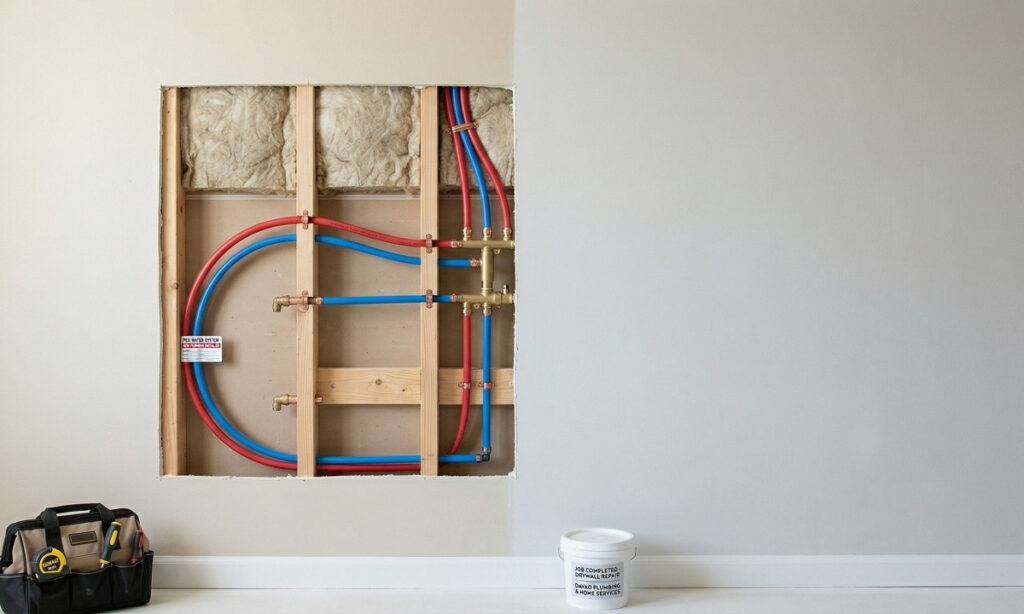
In most rerouting projects, accessing the pipes means opening up walls or ceilings. Cutting drywall is a standard part of the process, but patching it is a separate cost that plumbers don’t always include in their quotes. Drywall repair typically costs $300 to $900 depending on the size and number of openings. If the wall also has tile as is common in bathrooms tile removal and replacement can add $500 to $2,000 or more to the project, depending on the material and extent of the area affected.
Always ask your plumber whether their quote includes patching and finishing, or whether you’ll need to hire a separate drywall contractor. Getting this clarity upfront prevents billing surprises at the end of a job.
Flooring and Roof Repairs
When pipes run under the floor or through a roof, opening those surfaces is unavoidable. Flooring repairs after a plumbing reroute typically cost $200 to $600, though this varies significantly based on material patching laminate is far less expensive than matching and replacing hardwood or large-format tile.
Roof repairs following a vent reroute average around $1,070. Any time a new or relocated pipe needs to exit through the roof, proper flashing and waterproofing must be installed to prevent water intrusion. This is not an area where cutting corners on an improperly sealed roof penetration can cause water damage that costs far more to remediate than the original plumbing work.
Permits and Inspections
Most plumbing reroutes require a permit, particularly when the work involves moving drain lines, adding new fixtures, or any penetration through the roof. Permit costs range from $50 to $500 depending on your municipality and the scope of the work. Licensed plumbers typically handle the permit application process on your behalf, but the cost is usually passed through to you as a line item on the invoice.
Beyond the permit fee, some jurisdictions require an inspection before walls are closed, meaning the project timeline may include a waiting period for a scheduled inspection. Factor this into your project schedule, especially if you’re coordinating multiple trades during a larger remodel.
Water Heater Compatibility and Upgrades
This is a cost that almost no plumbing guide addresses, but it catches homeowners off guard more often than you’d expect. If your reroute involves PEX piping connecting to or near a water heater, most water heaters require a minimum of 18 inches of copper pipe at the connection point before PEX is used. PEX cannot tolerate the high heat directly at the heater’s inlet and outlet. If your existing setup doesn’t accommodate this, your plumber will need to add copper stub-outs, adding $100 to $300 to the job.
Additionally, if a reroute is part of a broader kitchen or bathroom remodel that adds fixtures or increases hot water demand, it may be worth evaluating whether your current water heater has sufficient capacity. An undersized water heater that’s already straining will perform even worse after additional fixtures are added.
How Long Does It Take to Reroute Plumbing?
Timeline is one of the most underserved topics in plumbing cost guides yet for most homeowners, knowing how long their water will be off and how much their daily life will be disrupted is just as important as knowing the cost. Here’s what to realistically expect.
Timeline by Project Scope
Simple reroutes such as moving a supply line a few feet or extending an appliance connection can often be completed in two to four hours by a single plumber. More involved projects, like relocating a kitchen sink to an island or moving a bathroom fixture, typically take one to two full days when you factor in pipe work, connection testing, and any necessary patching.
Vent reroutes that involve routing through walls and the roof can take one to three days depending on complexity and whether a permit inspection is required mid-project. Whole-house repipes are the most time-intensive, typically taking three to five days for an average-sized home, with larger homes or those with difficult access potentially running a full week or more.
How Much Disruption to Expect in Your Home
Any plumbing route will require your water supply to be shut off for at least part of the job. For a single-day project, this usually means no running water for four to eight hours. For multi-day projects, plumbers typically restore water service at the end of each working day so you’re not without water overnight but this isn’t always possible during active slab or foundation work.
Expect dust, noise, and some degree of mess in the work area. Wall or floor openings mean drywall dust, and if you’re in a finished space, furniture and belongings near the work zone will need to be moved. Most professional plumbing crews take care to protect adjacent surfaces, but it’s worth discussing this with your contractor in advance and clarifying who is responsible for cleanup.
How to Minimize Downtime During a Plumbing Reroute
A few practical steps can significantly reduce the disruption a reroute causes. First, schedule the work during a period when full water access isn’t critical, not the week of a dinner party or holiday gathering. Second, ask your plumber whether any prefabrication can be done off-site (cutting and assembling pipe runs in a shop before bringing them on-site reduces installation time). Third, have the work area cleared and prepped before the plumber arrives to avoid paying labor rates while they wait for you to move furniture. Finally, confirm the inspection schedule in advance so permit-related delays don’t stall a project mid-completion.
DIY vs. Hiring a Licensed Plumber
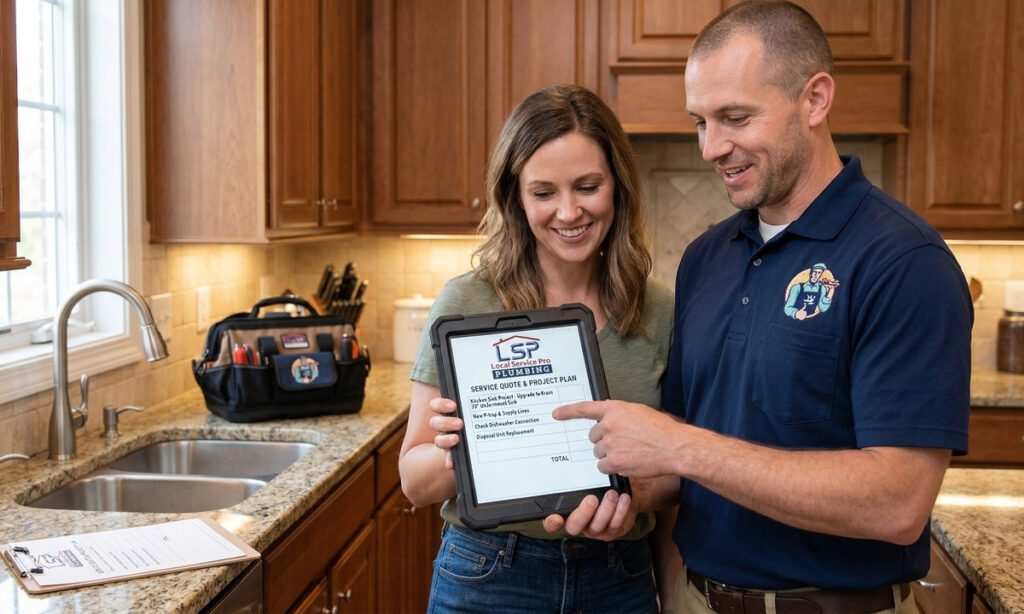
It’s worth having an honest conversation about whether any part of a plumbing reroute is appropriate for a skilled DIYer. The answer depends on the scope, your local code requirements, and your realistic skill level.
Why Most Rerouting Jobs Require a Professional
Plumbing reroutes especially those involving drain lines, vents, or any work that requires a permit are not typical DIY territory. Drain lines must be sloped precisely, vent pipes must connect to the system in specific ways, and pressurized supply lines must be leak-free under operating pressure. A small error in any of these areas can lead to water damage, sewer gas intrusion, or drainage failure often hidden inside walls where it causes significant structural damage before being discovered.
Licensed plumbers also carry insurance, which protects you if something goes wrong on the job. Their work is typically warrantied, and because it’s done to code, it won’t create problems when you sell your home and buyers conduct a plumbing inspection.
Risks of DIY Plumbing (Code Violations, Insurance, Safety)
Beyond the technical risks, DIY plumbing that requires a permit but doesn’t get one creates legal and financial exposure. Unpermitted work can be flagged during a home sale, require costly remediation before closing, or even result in fines from your local building authority. Some homeowner’s insurance policies explicitly exclude coverage for water damage caused by unpermitted plumbing work meaning a DIY mistake that floods your basement could leave you footing the entire repair bill.
That said, genuinely minor tasks like replacing a faucet, swapping out a P-trap, or connecting a dishwasher to an existing drain fitting are well within the capability of a handy homeowner and typically don’t require permits or specialized skills.
How to Find and Vet a Licensed Plumber
Start by verifying that any plumber you’re considering holds a current license in your state. Most state licensing boards have an online lookup tool. From there, look for contractors who carry both general liability insurance and workers’ compensation coverage and ask for certificates of insurance directly.
Check reviews on Google, Yelp, and the Better Business Bureau, paying particular attention to how contractors respond to negative feedback. Ask neighbors or your local hardware store for referrals, as local reputation matters in the trades. Prioritize plumbers who are willing to give you a written, itemized estimate rather than a verbal ballpark that protects both parties and helps you compare quotes accurately.
Questions to Ask Before Getting a Quote
Before a plumber arrives to quote your project, prepare a clear description of what you want to accomplish. Useful questions to ask include: Is this project scope something that requires a permit? Is the permit fee included in your quote? Does your quote include drywall repair and patching, or will I need a separate contractor? What pipe material are you recommending and why? How long will my water be off, and will it be restored at the end of each day? Do you offer a warranty on labor and materials?
Getting answers to these questions in writing before work begins prevents misunderstandings and helps you evaluate competing bids on an apples-to-apples basis.
Is Rerouting Plumbing Worth the Cost?
Given that plumbing reroutes aren’t cheap, homeowners reasonably wonder whether the investment is justified. The answer depends on your goals but in most cases, the return on a well-executed plumbing reroute is positive, both financially and practically.
Impact on Home Value and Resale
Updated, code-compliant plumbing is a genuine selling point when you list your home. Buyers and their inspectors look closely at plumbing, and homes with aging or non-compliant systems often face negotiated price reductions or repair demands at closing. Rerouting plumbing as part of a kitchen or bathroom remodel supports higher appraisal values for those spaces; kitchen and bathroom renovations consistently generate among the strongest returns of any home improvement.
Conversely, unpermitted or improperly done plumbing work can actively harm resale value, creating disclosure obligations and scaring off buyers. Work done to code, with permits pulled and inspections passed, adds documented value.
Long-Term Savings on Repairs and Energy
Rerouting aging or failing pipes particularly those embedded in a slab where accessing them for repairs is extremely costly eliminates a recurring source of expensive emergency repairs. In slab homes with a history of leaks, proactively rerouting pipes through walls can save thousands of dollars over the long run compared to repeatedly jackhammering the foundation to repair individual breaks.
Modern pipe materials like PEX are also more resistant to corrosion and mineral buildup than older galvanized steel, meaning they maintain better water flow and require less maintenance over their lifespan. The energy savings from replacing corroded hot water pipes which lose heat efficiency as scale builds up are an added benefit that’s easy to overlook.
Financing Options for Larger Plumbing Projects
Whole-house repipes and complex multi-fixture reroutes can represent a significant upfront expense. Many licensed plumbing contractors now offer financing through third-party lenders, including options with 0% interest promotional periods for qualified customers. Programs through lenders like GreenSky and Synchrony are commonly offered by larger plumbing companies and can make a $10,000 to $15,000 project manageable through low monthly payments.
Home equity lines of credit (HELOCs) are another option for larger plumbing investments, particularly when the work is part of a broader remodel that will increase the home’s value. Some municipalities also offer low-interest loan programs for essential home repairs, including plumbing worth checking with your local housing authority.
Frequently Asked Questions
How much does it cost to reroute a single plumbing line?
Rerouting a single supply or drain line typically costs between $650 and $1,500, depending on the line type, distance moved, and accessibility. This range generally covers labor and materials for the pipe work itself, but may not include drywall repair, flooring restoration, or permit fees, which are common add-ons. For a precise estimate, have a licensed plumber assess the specific conditions of your project before committing to a budget.
Do I need a permit to reroute plumbing?
In most municipalities, yes. Any work that involves moving drain lines, adding fixtures, or penetrating the roof for vent pipes typically requires a building permit. Minor work like extending a supply line to a new appliance location may not, but requirements vary by jurisdiction. A licensed plumber can advise you on local requirements and handle the permit application process. Skipping a required permit creates legal and insurance risk, particularly when you sell the home.
Can I reroute plumbing on a concrete slab?
Yes, but it’s one of the most complex and expensive rerouting scenarios. Accessing in-slab pipes requires jackhammering through the foundation, which alone can cost $1,000 or more. In many cases, the better approach is to abandon the in-slab pipes and reroute new lines through walls or the ceiling, bypassing the concrete entirely. Some jurisdictions require a structural or building engineer to be involved in any slab plumbing work. Discuss both options with your plumber to determine which is most practical and cost-effective for your specific situation.
How much more does it cost to move a sink to a kitchen island?
Island sink installations typically cost $1,000 to $3,000 more than a standard wall-mounted sink relocation, primarily because of the venting challenge. Island sinks have no adjacent wall for a standard vent pipe, requiring either an air admittance valve (AAV) installed inside the cabinet or a loop vent dropped through the floor to a vertical stack. Both solutions add complexity and cost. Some local codes don’t permit AAVs, which can further complicate and add cost to the installation.
Will homeowner’s insurance cover plumbing rerouting?
Standard homeowner’s insurance does not cover the cost of plumbing reroutes as a planned improvement or remodel. However, if a reroute is necessitated by sudden and accidental water damage such as a pipe burst that requires rerouting to repair some or all of the associated costs may be covered, depending on your policy terms. Insurance will generally not cover damage or costs resulting from unpermitted DIY plumbing work. Always review your policy and consult your insurance agent before assuming coverage applies.
Conclusion
Understanding how much it costs to reroute plumbing comes down to three key variables: what’s being moved, how far it’s going, and what’s in the way. For most single-line reroutes, expect to pay between $650 and $1,500 before add-ons. Vent reroutes and more complex projects can reach $3,000 to $5,000, and whole-house repipes can climb to $35,000 for large or complex homes.
The hidden costs of drywall repair, permit fees, flooring restoration, and roof work are just as important to budget for as the plumbing itself. A quote that looks affordable on the surface can grow significantly once structural repairs are factored in.
Most rerouting jobs require a licensed professional, and the investment in hiring one correctly from the start is nearly always less expensive than fixing the consequences of unpermitted or improperly executed work. Code-compliant plumbing protects your home’s value, keeps your insurance intact, and gives you confidence that the work will last.
Ready to get an accurate estimate for your project? The best next step is to schedule an on-site assessment with a licensed plumber in your area. A professional walkthrough takes the guesswork out of budgeting and ensures you’re planning for the full scope of work not just the pipe itself. Get at least three local quotes to compare pricing, and don’t hesitate to ask each contractor the questions outlined in this guide before you commit.